RESOURCE CENTER
Technical resources on ductwork and air conditioning
Cleaning frequency, mold in tropical climates, marine corrosion and how to compare quotes.

They work right here, nothing to download. The result can be sent to the technical team via WhatsApp.
Each article answers a specific question, with the direct answer at the beginning.
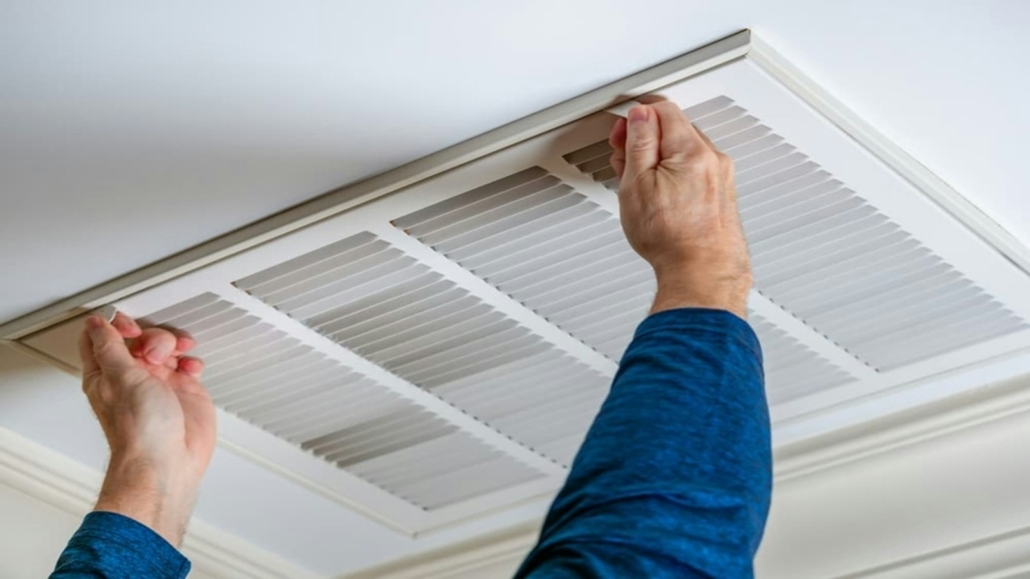
How often should air conditioning ducts be cleaned?
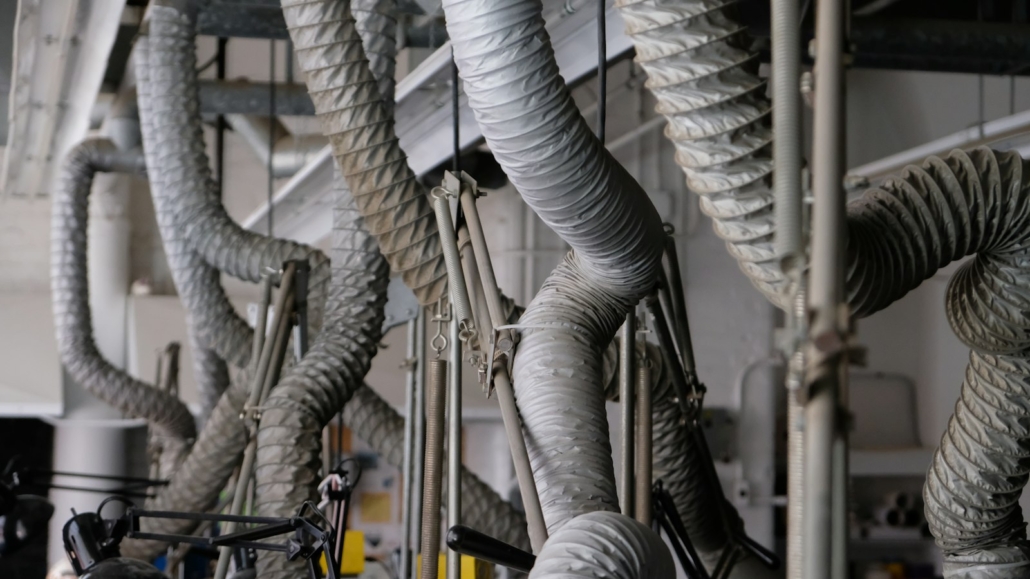
Why does mold appear in ducts in a tropical climate?
What is biofilm in an air conditioning duct?
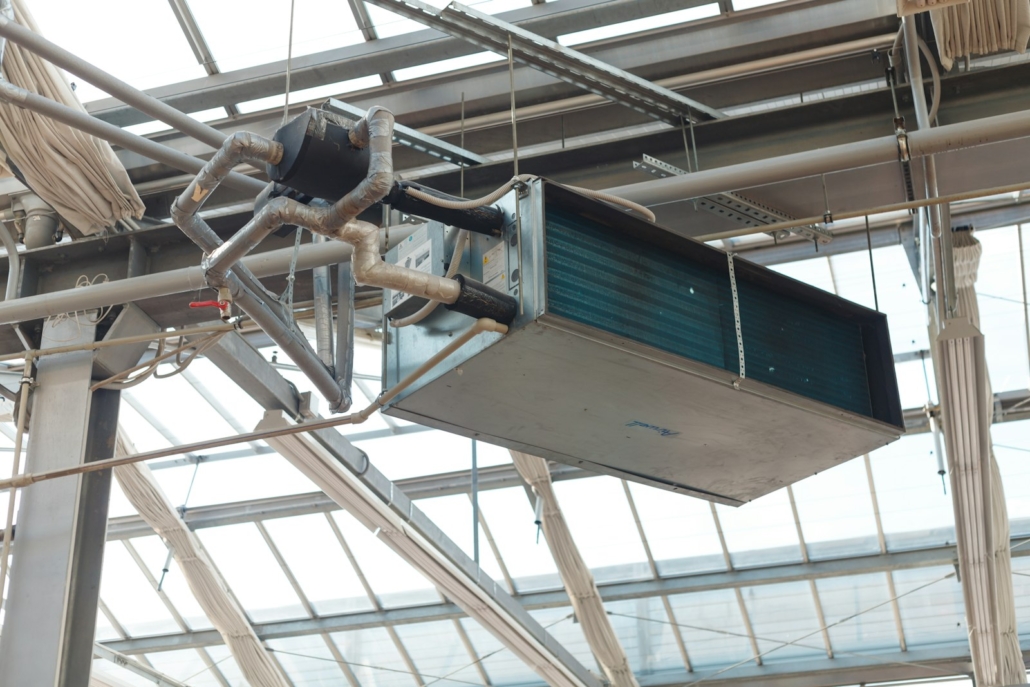
Why does air conditioning corrode near the sea?
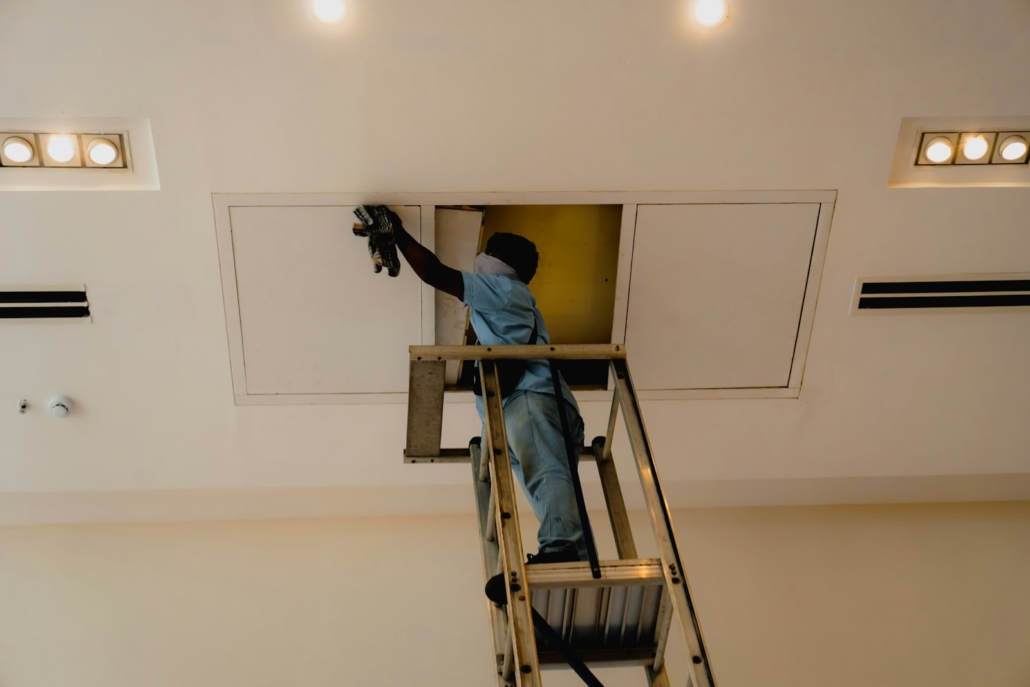
What is an access door in ductwork and why does it affect maintenance?

How to compare two duct cleaning quotes
The six articles and the tools help prepare the conversation with the management or with a provider. They do not replace the inspection or promise effects on the people who occupy the building.
| What is gained | What it involves | Reference |
|---|---|---|
| A question and its answer from the start | Each article starts from a concrete question, such as how often to clean or where mold comes from, and puts the direct answer at the beginning so the reader does not have to hunt for it. | Introduction of the articles section. |
| Vocabulary for talking with the technician | The articles on biofilm, access doors or corrosion near the sea put a name to what is observed, and that gives order to the conversation with whoever will inspect. | Titles of the six articles in the resource center. |
| A common point for reading two proposals | The article on how to compare two quotations provides the reading framework, and the report of a prior inspection offers the common base on which both rest. | Article on quotations and inspection report. |
| Tools that work on the same page | The tools work on the site with nothing to download and their result can be sent to the technical team by WhatsApp. The site’s priority calculator starts from 122 space types, spread across 32 sectors and 52 areas. | Tools section and the site’s own data. |
Three references accompany the reading of the articles on humidity, mold and provider proposals. They are given with their scope so they are not taken as promises.
| Data point | Source | Scope |
|---|---|---|
| For mold control, the EPA brief guide proposes keeping indoor humidity below 60% and, where possible, between 30 and 50%. It serves as a yardstick for reading the articles on mold. | EPA, brief guide to mold and moisture | Reference from a United States guide, not a measurement of a building. |
| With the ETESA averages, a calculation using the Magnus formula gives a mean dew point of about 22.6 °C, between 20.0 and 23.8 °C depending on the month. A surface colder than that condenses water, hence the interest in insulation and drainage. | Own calculation with averages from ETESA | Calculated order of magnitude, not a measurement in a building. |
| The EPA indicates that no chemical biocides are registered for ducts with internal insulation and that little research has looked at their effectiveness inside them. When comparing proposals, it is reasonable to ask which product is applied and in which sectors. | EPA, cleaning air ducts at home | Cited to explain what the service does not promise. |
The articles are general and the building is particular. These checks carry a general reading over to a specific case, and the inspection settles them.